Featured
Continued Assistance Such as Community Support Can Be Fun...
An Unbiased View of Real Testimonials of The Ethics of De...
10 Easy Facts About Continued Support Including Check-In ...
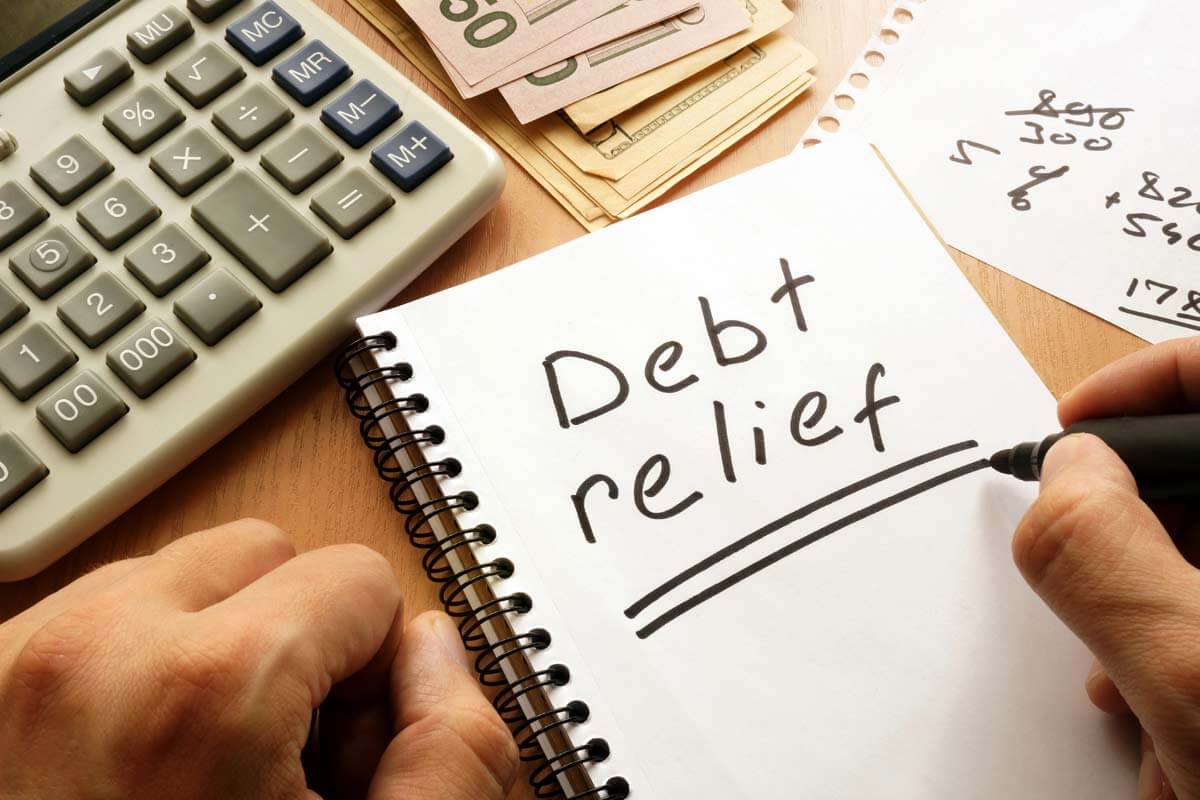
Some Of Understanding Different Financial counseling for veterans in Alabama who feel stuck making only minimum payments Accessible Today
Table of Contents
That maximizes money in the short term, and you may have 3 to four years to save towards the settlement amount. Really unsafe to credit history, mostly because of missed out on payments and an unfavorable "worked out" mark that can remain on your credit score report for approximately 7 yearsMay be just alternative if various other alternatives (financial obligation combination, balance transfer bank card, financial obligation mercy) aren't possibleTypically needs a cost to the 3rd party, which could offset some or every one of the cost savings from debt settlementMay assist you avoid bankruptcy if you've missed a number of paymentsNot all financial institutions deal with financial obligation negotiation companies Financial obligation mercy may be right for you if you are experiencing a monetary difficulty that makes it virtually impossible to pay for your financial obligation equilibriums.
With a DMP, you make one month-to-month repayment to the credit history therapy firm. Those funds are after that dispersed to financial institutions of your unsecured financial obligations, such as charge card and installment fundings. The firm collaborates with your creditors to reduce rate of interest rates or forgo charges, but some financial institutions may decline such concessions.
It can assist you pay down financial debt if you're able to safeguard a car loan price that's reduced than the typical rate of the accounts you're combining. You should avoid from racking up financial obligation on those freshly removed accounts or your debt could grow even higher.

These cards often provide a 0% passion initial duration of as much as 21 months. That offers you plenty of time to get rid of or dramatically decrease your equilibrium while making interest-free settlements. For some individuals encountering overwhelming financial obligation, personal bankruptcy might be the only method to quit collection process and lawfully fix their debts.
The Facts About Understanding the Cost of Financial counseling for veterans in Alabama who feel stuck making only minimum payments Revealed
You may need it if your creditor or a collection firm ever attempts to gather on the financial obligation in the future. When a loan provider forgives $600 or even more, they are called for to send you Form 1099-C.
Debt forgiveness or negotiation often harms your credit. Anytime you settle a debt for less than you owe, it might look like "worked out" on your debt record and impact your credit report score for seven years from the date of negotiation. Your credit history can also drop substantially in the months bring about the forgiveness if you drop behind on settlements.
How APFSC Operate with Families - The Facts
This scenario typically results from underreporting income, not submitting returns on time, or discrepancies discovered during an Internal revenue service audit. The consequences of accumulating tax obligation financial obligation are severe and can include tax obligation liens, which provide the IRS a lawful case to your residential property as safety for the debt.
Salaries and Bank Accounts IRS can levy (take) wages and financial institution accounts to please the financial debt. Home Seizure In severe situations, the IRS can take and market building to cover the financial debt.
Clinical depression, anxiousness, and various other mental health and wellness issues. Social Preconception Encountering legal activity from the IRS can carry social stigma. Damage to online reputation and partnerships. Work Opportunities A poor credit rating because of exhaust debt can limit job opportunity. Difficulty finding or maintaining a job. Government Benefits Tax obligation debt might impact eligibility for federal government benefits, such as Social Safety And Security and Medicaid.
The Facts About How New Platforms Is Making Financial counseling for veterans in Alabama who feel stuck making only minimum payments Better Uncovered
The OIC thinks about several factors, including the taxpayer's earnings, costs, property equity, and capacity to pay. Effectively working out an OIC can be complex, requiring a comprehensive understanding of the internal revenue service's standards and a strong disagreement for why your deal lines up with your capability to pay. It's essential to keep in mind that not all applications are accepted, and the process calls for comprehensive economic disclosure.
The IRS examines your total economic scenario, including your revenue, expenditures, possession equity, and capacity to pay. You need to additionally be present with all declaring and settlement demands and not remain in an open personal bankruptcy proceeding. The internal revenue service also considers your compliance history, assessing whether you have a document of timely filing and paying taxes in previous years.
All About Ongoing Guidance Including Aftercare Programs
The application procedure for an Offer in Concession includes numerous detailed steps. You must complete and submit Internal revenue service Form 656, the Deal in Concession application, and Type 433-A (OIC), a collection info declaration for individuals. These forms require detailed financial information, consisting of information concerning your income, financial debts, expenditures, and possessions.
Back taxes, which are unpaid tax obligations from previous years, can dramatically increase your overall internal revenue service financial debt if not attended to immediately. This financial debt can accumulate interest and late settlement fines, making the original amount owed a lot bigger over time. Failure to repay taxes can result in the IRS taking enforcement activities, such as releasing a tax lien or levy against your residential property.
It is necessary to attend to back taxes asap, either by paying the total owed or by preparing a repayment strategy with the IRS. By taking proactive steps, you can prevent the buildup of additional rate of interest and fines, and prevent much more aggressive collection activities by the internal revenue service.
One common factor is the idea that the taxpayer can pay the total either as a swelling sum or through a payment plan. The internal revenue service likewise thinks about the taxpayer's earnings, expenditures, asset equity, and future earning capacity. If these elements show that the taxpayer can afford to pay even more than the supplied quantity, the internal revenue service is most likely to reject the offer.
The Definitive Guide for Understanding Your Financial counseling for veterans in Alabama who feel stuck making only minimum payments Options Before Filing
Dealing with Internal revenue service financial debt can be complex and difficult. Tax experts, such as Certified public accountants, tax lawyers, or registered representatives, can provide invaluable help.

Table of Contents
Latest Posts

Continued Assistance Such as Community Support Can Be Fun For Anyone

An Unbiased View of Real Testimonials of The Ethics of Debt Relief: Balancing Client Advocacy with Credit System Integrity Clients

10 Easy Facts About Continued Support Including Check-In Services Explained
More
Latest Posts
Continued Assistance Such as Community Support Can Be Fun For Anyone
10 Easy Facts About Continued Support Including Check-In Services Explained